
How to Make a Magical Fairy Garden

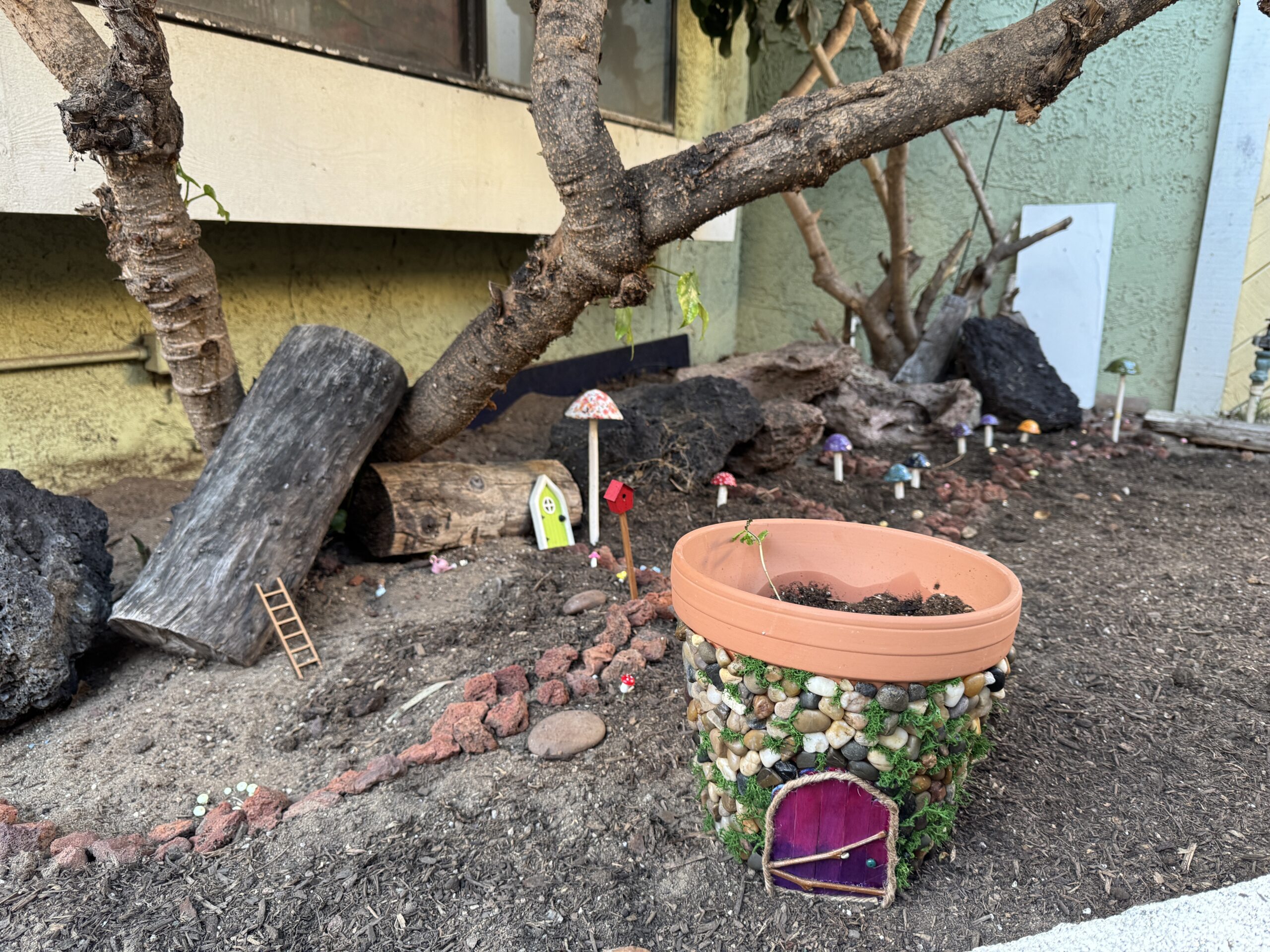
When I lived in Vegas, I tried to make gardening work. I bought drought tolerant and desert-native plants like succulents. Despite my various attempts, my plants would eventually shrivel up and die during the summer, save for one silver agave plant.
Something I was looking forward to after moving back to California was starting up a garden again. I wouldn’t exactly call myself a hardcore gardener, but I enjoy being outside in nature.
In my head, I envisioned creating a magical fairy garden with wildflowers. I already had a small collection of miniature furniture and mushroom decor, gifted to me by friends over the years. I also had some pots and a nice little patch of dirt. Over the past few months, I’ve been working on bringing my vision to reality.
Step 1: Preparing the Dirt
The dirt in our area is a mixture of sandy soil with some rocks. The first thing I had to do was use a sifter and set aside the various rocks that were mixed into the dirt. I tilled the soil, breaking up the sandy dirt and mixing in some potted soil.

This was the most labor intensive part for me, and to be honest, not super fun. I didn’t like getting sweaty and dirty. But I got a workout out of it, got to spend time in nature, and despite feeling physically sore at the end of it, I also felt accomplished.
Step 2: Adding Decorations
Now we’re getting to the fun stuff! This was my reward for all the manual labor from the first step.

I used the rocks I set aside to create little pathways. Then I placed the various mushroom stakes and other decor I had along these pathways.

(The mushroom stakes are from FabulousFungi on Etsy. As for the miniature decorations, I misplaced the information but will update this post once I find it!)

It was nice to see my garden starting to take shape and come together. Kai also enjoyed getting to help place some of the miniature furniture.
Step 3: Plant Pot Makeover
Once my garden was more or less laid out, I started to fill it in with larger pieces that served both a functional and decorative purpose. I gave my plant pots a makeover with small river rocks, moss, and fairy doors.
For the fairy doors, I cut and assembled popsicle sticks into an arched shape and painted them. For the borders, I added twine, small sticks, and beads for the door knobs.


Once the doors were dry, I glued them onto the pots with E6000. (I chose this glue because it’s durable and waterproof.) Then, I glued the rocks on the pots, followed by the moss to fill in the small gaps.

Aside from the sticks which I found on my walks outside, the rest of the materials were from the dollar store or Michael’s.

Note: I recommend using the glue in a well-ventilated area and wearing gloves and a mask since you’re handling some toxic chemicals. It takes 24 hours to cure, and after that it’s no longer toxic as long as you’re not ingesting it.
Step 4: Plant Stuff!
Once my garden decor was set up, it was time to plant things!
When I was trying to think of what to plant, I wanted to create a space that was pollinator friendly and had natural beauty. In my research, I came across the concept of “chaos gardening” which is exactly what it sounds like. I mixed a bunch of different wildflower seeds together and planted them with the thought that the strongest and best ones would survive. I also planted some bulbs and a variety of other plants gifted to me by friends.

It’s been fun watching things sprout because I have no idea what is what. Some plants have started to flower, and there’s also some weeds. Sometimes I pull out the weeds, and sometimes I leave them. At the end of the day, I just want something that has a magical vibe to it and doesn’t require a lot of maintenance. After trying so hard to keep things alive in the desert, it’s nice to let this garden grow without trying to force it.

At some point in the future, maybe my approach will change, but this is fun and working for now. I’m excited for spring to see what else ends up flowering.

What I love about a project like this is you can continue to add onto it over time, and there’s room to adjust your approach. Whether you want something more structured or free flowing, you can explore what works for you.

Similar Posts
